
Discover the Benefits of Rainwater Harvesting for Homeowners
Welcome to Lone Star Rain Systems! Our mission is to provide homeowners with top-quality rainwater harvesting systems that offer sustainable, cost-effective, and reliable solutions for your water needs. Explore the benefits, learn about the installation process, and find answers to your most common questions below.

Reliable Water Supply Even During Droughts
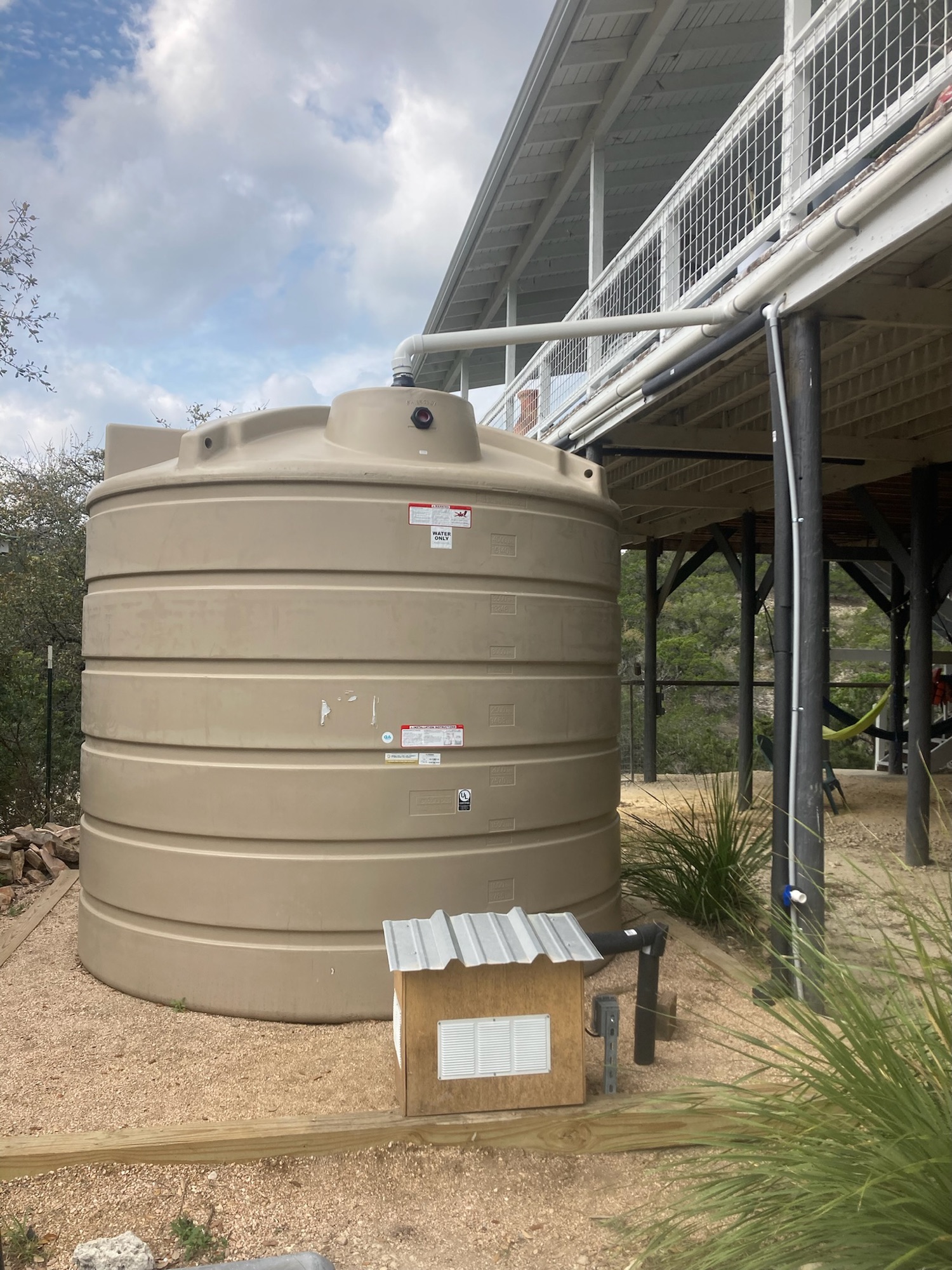
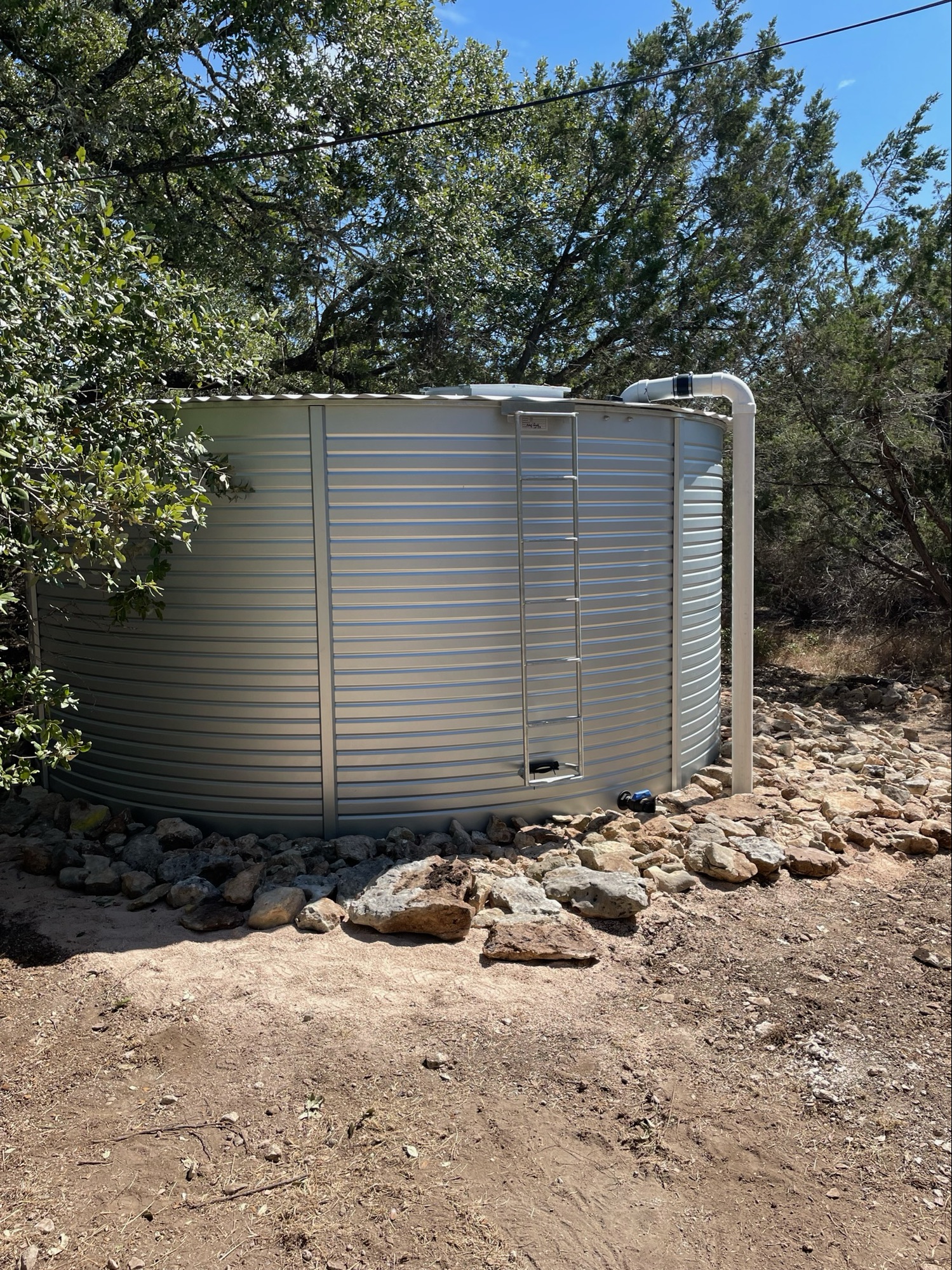
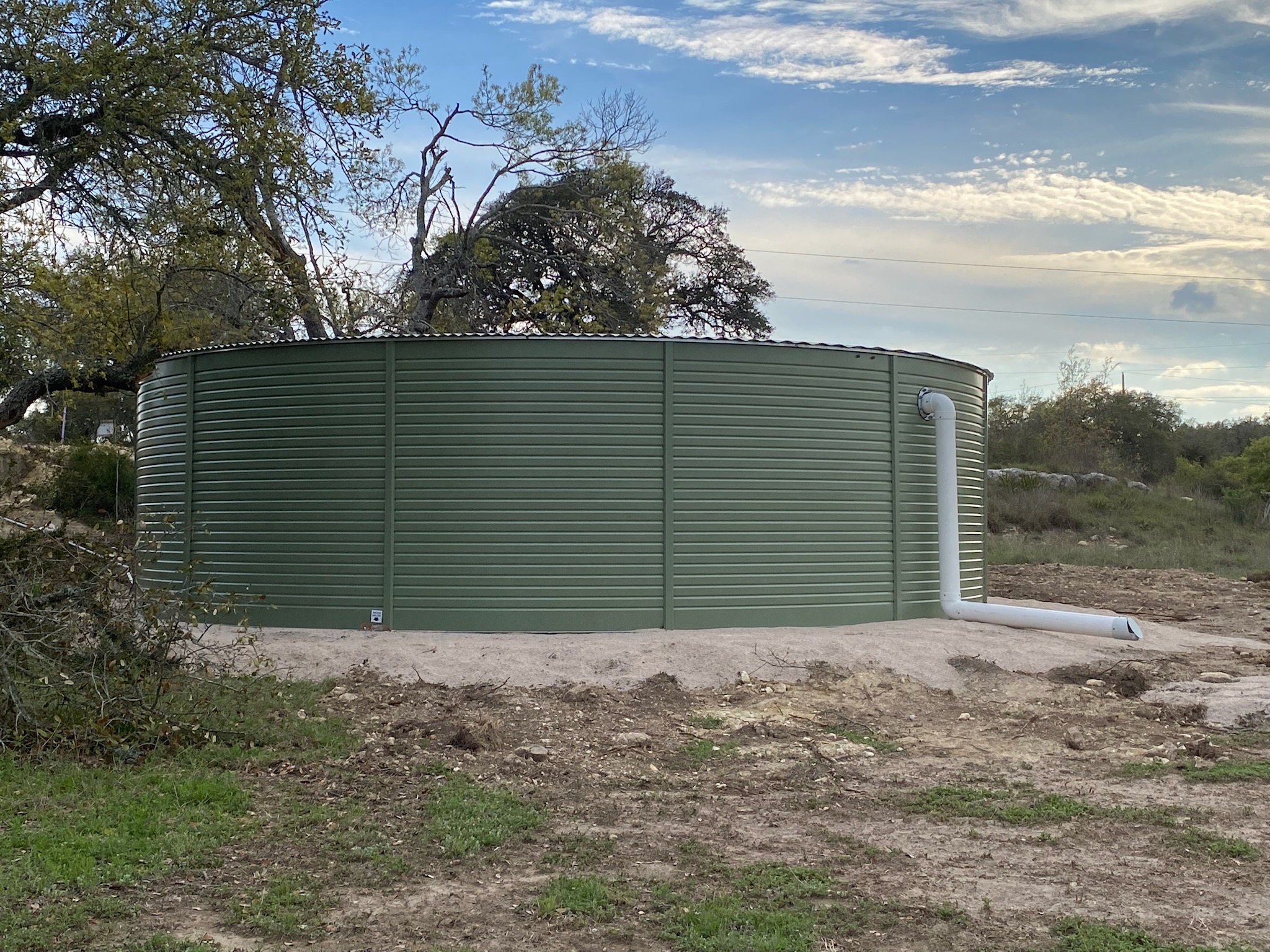
In the Texas Hill Country, drought conditions have been a persistent issue, causing many wells to run dry. Rainwater harvesting provides a dependable water source by capturing and storing large amounts of rainwater during wetter periods, which can be used during dry spells. Properly sized tanks and efficient water management ensure you have a sufficient supply even in prolonged droughts. With strategic planning, droughts become a manageable event rather than a crisis.
Alternative to Depleting Wells
With well drilling companies unable to go deeper and communities experiencing dry wells, rainwater harvesting offers a sustainable alternative. Collecting and storing rainwater helps reduce the reliance on groundwater, protecting this precious resource for future use.
Cost-Effective Water Solution
Installing a rainwater harvesting system can be more economical than drilling a new well, especially given the uncertainties of groundwater availability. By harvesting rainwater, you can significantly lower your water bills and avoid the high costs associated with deep well drilling and maintenance. Additionally, we offer financing options that allow you to pay over time, making it easier to invest in a rainwater harvesting system that fits your budget.
Protect Against Future Water Shortages
With new neighborhoods developing rapidly in the Hill Country, concerns about future water shortages are increasing. Rainwater harvesting helps mitigate these concerns by providing an independent water source that reduces demand on local water supplies, including the already low area lakes.
Healthier Gardens and Landscapes
Rainwater is free of the chemicals and additives found in municipal and well water, making it ideal for your garden. Your plants and landscapes will thrive with naturally soft and pH-balanced rainwater, even during prolonged dry spells.
Increase Home Value and Sustainability
Eco-friendly features like rainwater harvesting systems are becoming more desirable to homebuyers. By installing a system, you not only enhance the value of your property but also contribute to a more sustainable and environmentally friendly community.
How Does a Rainwater Harvesting System Work?

Collection
Rainwater is collected from your roof and funneled through gutters into a storage tank.
Screening
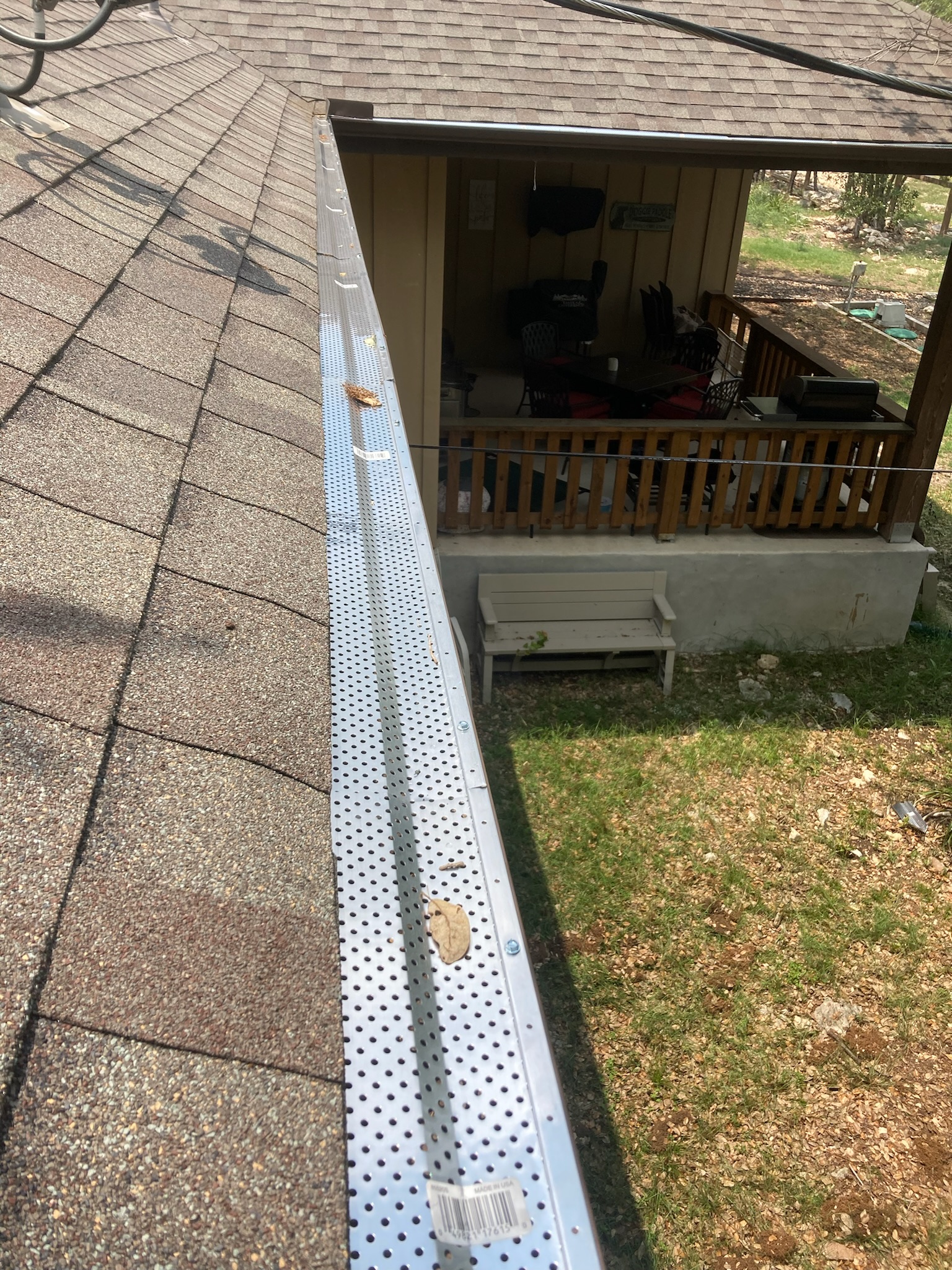
Before entering the tank, rainwater passes through leaf guards or leaf eaters that remove debris and contaminants.

Storage
The filtered rainwater is stored in a durable tank that keeps it clean and ready for use.
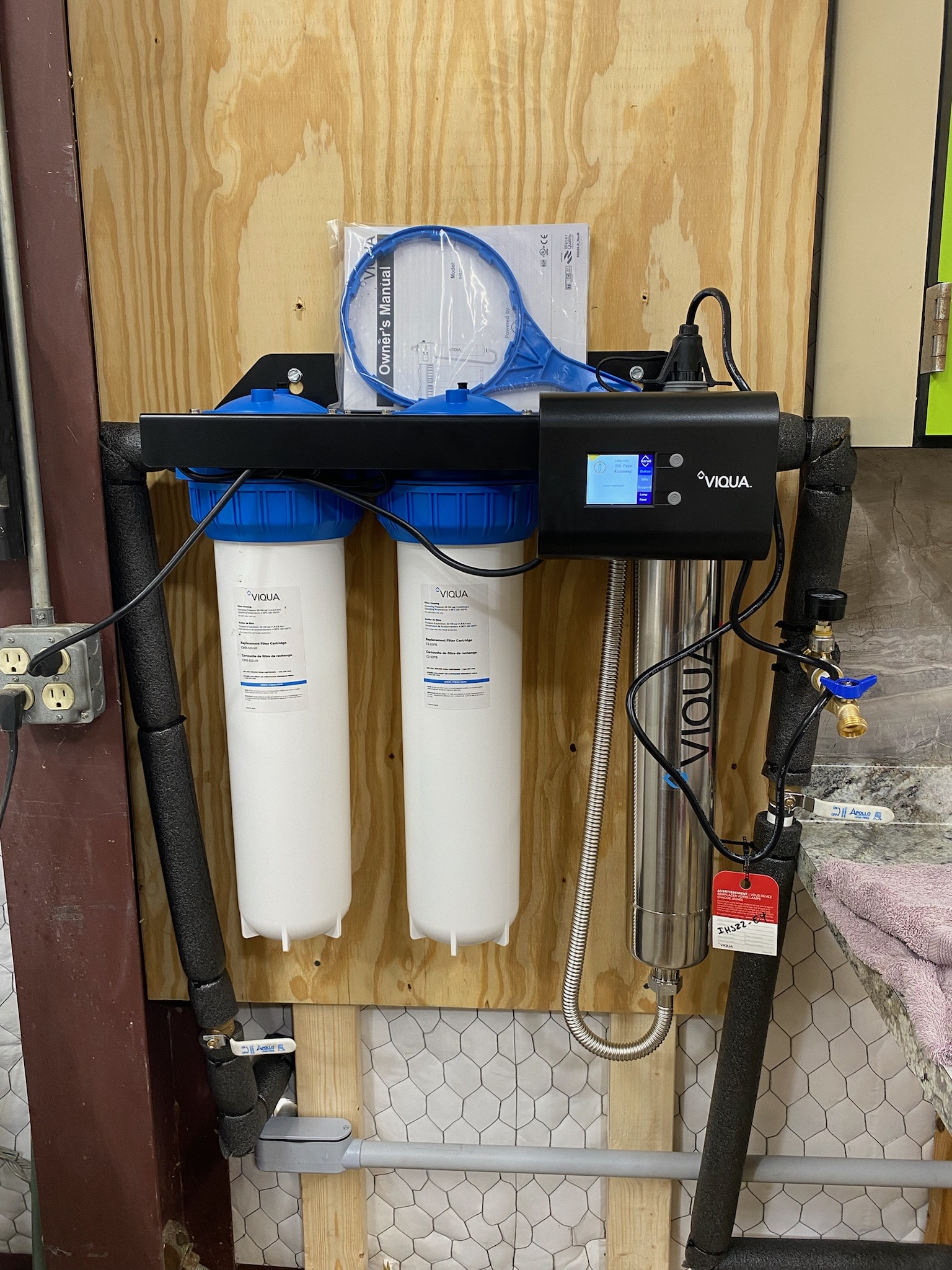
Distribution
A pump system distributes the stored water through a UV filtration system to your garden, toilets, washing machine, or other specified areas in your home.
FAQ – Frequently Asked Questions
How much does a rainwater harvesting system cost?
The cost of a rainwater harvesting system varies depending on the size and complexity of the installation. Small, basic systems can start at around one thousand dollars, while more complex systems with larger storage capacities and additional filtration can cost $30K or more. We also offer financing options that allow you to pay over time, making it easier to invest in a system that meets your needs. Contact us for a customized quote.
Is rainwater safe to use?
Yes, rainwater is safe to use for non-potable purposes such as irrigation, toilet flushing, and washing. With proper filtration and treatment, rainwater can also be made safe for drinking and cooking.
How much maintenance is required?
Rainwater harvesting systems require minimal maintenance. Regular checks and cleaning of gutters, filters, and tanks are necessary to ensure optimal performance.
Can I use rainwater for drinking?
Yes, but it requires additional filtration and treatment to ensure it is safe. We provide advanced filtration systems that make rainwater suitable for drinking and cooking.
Do I need a permit to install a rainwater harvesting system?
Permit requirements vary by location. It’s best to check with your local municipality for specific regulations and guidelines. We can assist you with the permitting process if needed.
How much rainwater can I collect?
The amount of rainwater you can collect depends on your roof size and the average rainfall in your area. On average, you can collect about 600 gallons of water per inch of rain per 1,000 square feet of roof area.
